

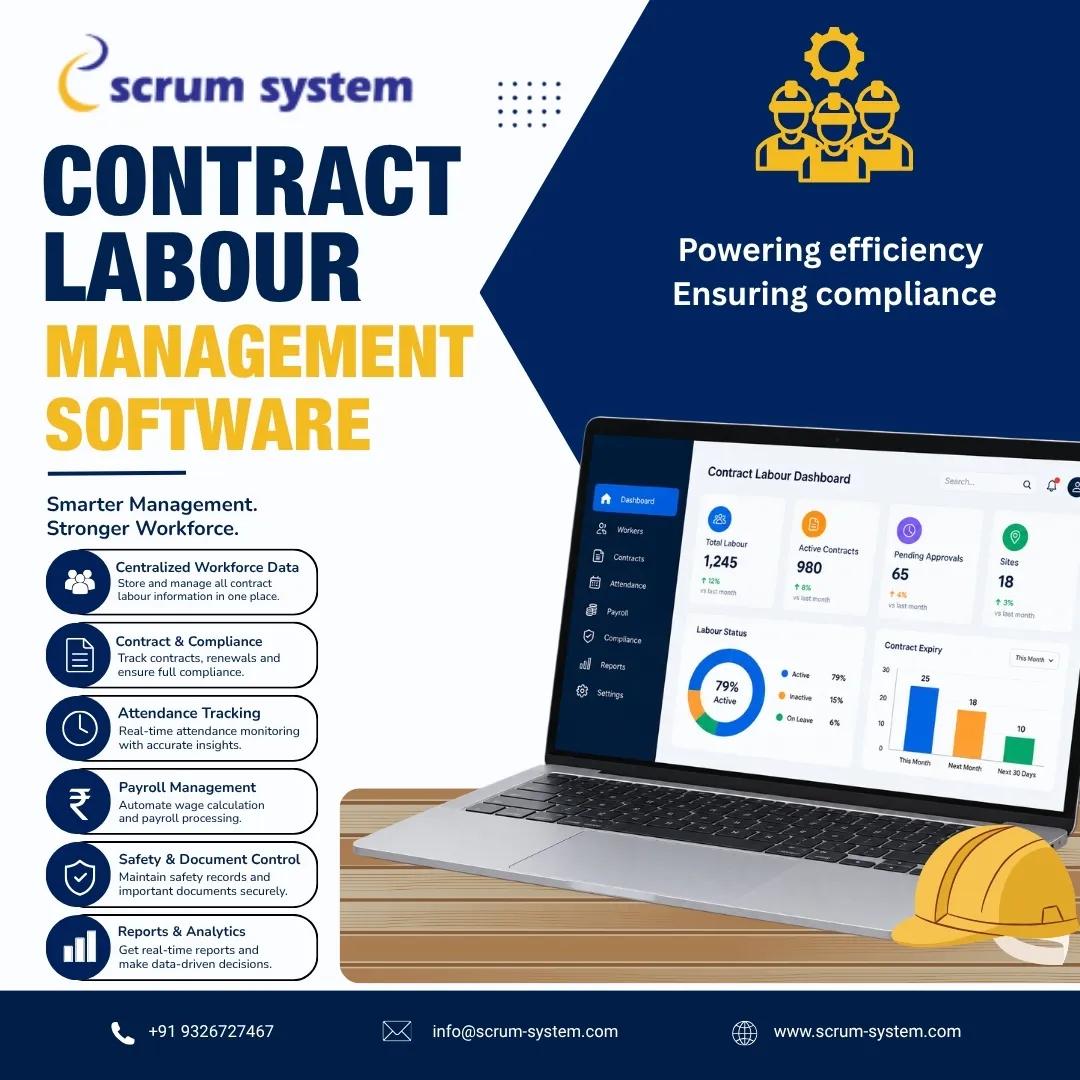
labour management system
Modern organizations need efficient systems to manage employees, visitors, contractors, and daily workforce activities. As businesses grow, handling these operations manually can become time-consuming and difficult to monitor. A well-designed Scrum system can help teams organize tasks, improve collaboration, and streamline operational processes.
When combined with solutions such as a visitor management system, visitor management software, a multi tenant visitor management system, and a labour management system, organizations can create a more structured and efficient workplace environment.
What Is a Scrum System?
A Scrum system is a structured approach for managing projects, tasks, and team collaboration using the Scrum framework. It helps teams divide complex work into smaller tasks, prioritize activities, monitor progress, and complete work within defined sprints.
For businesses developing workplace management solutions, Scrum can also support the development and maintenance of systems designed to manage visitors, employees, contractors, and labour operations.
Teams can use Scrum to manage activities such as:
Software development and product improvements
Visitor registration workflows
Employee and contractor onboarding
Attendance and workforce processes
Security and access-control requirements
Reporting and administrative tasks
Why Businesses Need a Visitor Management System
Managing visitors manually through paper registers or spreadsheets can create unnecessary administrative work. A modern visitor management system provides a digital way to register, track, and manage visitors entering a workplace or facility.
A visitor management system can help organizations manage:
Visitor registration and check-in
Visitor identification
Host notifications
Visitor badges
Check-in and check-out records
Visit history
Access permissions
Visitor reports
By digitizing these processes, organizations can maintain more organized visitor records while providing a smoother experience for reception teams, employees, and guests.
Benefits of Visitor Management Software
Visitor management software takes visitor administration a step further by automating many routine activities. Instead of depending entirely on reception staff or manual registers, organizations can use software to create standardized visitor workflows.
For example, when a visitor arrives, the system can record their details, notify the appropriate employee, and maintain a digital record of the visit.
Important benefits can include:
Faster Visitor Registration
Digital registration can reduce the time required to record visitor information and minimize repetitive paperwork.
Better Record Management
Organizations can maintain searchable digital records instead of relying on physical visitor registers.
Improved Communication
Automated notifications can help employees know when their visitors arrive.
Centralized Reporting
Management teams can access visitor information and generate reports based on their operational requirements.
Multi Tenant Visitor Management System for Growing Organizations
Organizations that operate multiple offices, facilities, clients, or business units may require more than a standard visitor management solution. A multi tenant visitor management system allows multiple organizations, locations, or business units to operate within the same platform while keeping their data and configurations logically separated.
This type of architecture can be useful for:
Business parks
Shared office spaces
Facility management companies
Corporate groups
Industrial facilities
Educational campuses
Service providers managing multiple clients
A multi-tenant platform can allow administrators to configure different locations, users, permissions, visitor policies, and reporting requirements while managing the overall platform from a centralized environment.
Connecting Visitor Management With Labour Management
Visitor management is only one part of workplace administration. Organizations that employ large numbers of workers, contractors, or temporary staff may also need a labour management system.
A labour management system can help organizations organize workforce-related processes such as:
Worker registration
Contractor management
Attendance tracking
Shift management
Workforce allocation
Worker documentation
Labour reports
Compliance-related records
Connecting visitor and labour management processes can provide organizations with a more complete view of people entering and working within their facilities.
How Scrum Supports These Systems
Developing a comprehensive workplace management platform involves multiple teams and constantly changing requirements. Scrum can provide a practical framework for managing this development process.
For example, a development team can divide product development into sprints.
One sprint could focus on visitor registration. Another could address employee notifications, while a later sprint could develop labour attendance or multi-tenant administration features.
A typical Scrum workflow may include:
Product Backlog: Requirements for visitor management, labour management, security, reporting, and administration are documented.
Sprint Planning: The team selects the highest-priority tasks for the upcoming sprint.
Development: Developers build and integrate the selected features.
Testing: The completed functionality is tested for usability, security, and reliability.
Sprint Review: Stakeholders review the completed functionality.
Retrospective: The team identifies improvements for the next sprint.
This iterative approach allows organizations to develop workplace management solutions progressively instead of attempting to build every feature at once.
Key Features to Consider
A modern platform combining visitor and labour management may include several important capabilities:
Visitor Management
Digital visitor registration, approvals, check-in/check-out, badges, host notifications, and visitor reporting.
Labour Management
Worker profiles, attendance, shifts, contractor information, workforce reports, and document management.
Multi-Tenant Administration
Separate organizations, locations, users, permissions, configurations, and reports within one platform.
Dashboard and Analytics
Real-time dashboards can help administrators monitor visitor activity, workforce information, and operational data.
Role-Based Access
Different users can receive access based on their responsibilities, helping organizations control who can view or manage particular information.
Conclusion
Organizations increasingly need digital tools to manage visitors, employees, contractors, and workforce operations efficiently. A visitor management system can simplify visitor registration and tracking, while visitor management software can automate routine administrative processes.
For organizations managing multiple locations or customers, a multi tenant visitor management system can provide centralized administration with separate organizational environments. At the same time, a labour management system can help businesses manage workforce-related activities such as attendance, shifts, contractors, and worker records.
Using Scrum to develop and continuously improve these systems provides an iterative way to manage requirements, prioritize features, and deliver improvements through structured development cycles. Together, these technologies can form an effective foundation for modern workplace and workforce management.